Barcelona Sporting Club (Barcelona SC), based in Guayaquil, Ecuador, is one of the most storied football clubs in Latin America. With a rich history dating back to its founding in 1925, the club has established itself as a powerhouse in Ecuadorian football and has made significant inroads in international competitions. This article delves into the recent performance trends of Barcelona SC, highlighting key results, patterns, and what they signify for the club’s future.
Historical Context of Barcelona SC
/cdn.vox-cdn.com/uploads/chorus_asset/file/22739751/1329941933.jpg "Barcelona SC Results Analysis: Trends and Highlights")
Before analyzing the club’s recent results, it is crucial to understand its historical context. Barcelona SC has won the Ecuadorian Serie A championship multiple times and has a fervent fanbase, known as “Los Amarillos.” The club’s success has been marked by its participation in international tournaments such as the Copa Libertadores, where it has reached the finals on several occasions.
Recent Performance Overview
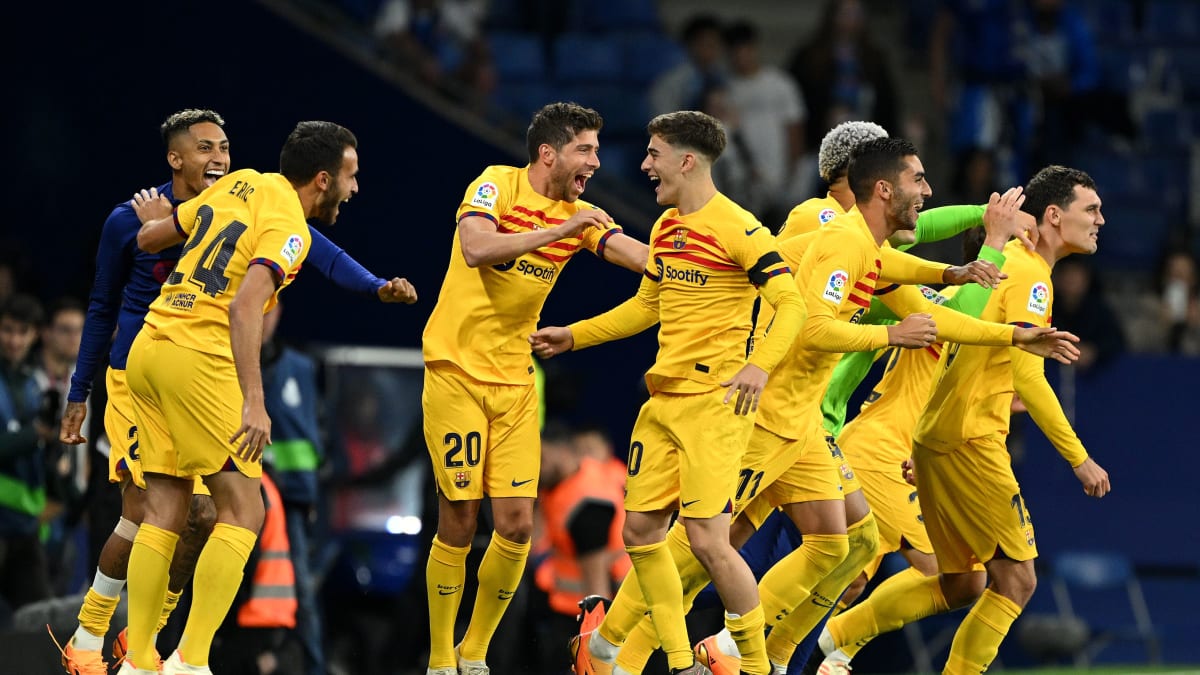
In the last few seasons, Barcelona SC’s performance has exhibited notable trends. The following points summarize their recent results:
- Consistency in Domestic Competitions: Barcelona SC has consistently been a top contender in the Ecuadorian Serie A, finishing in the top three for several seasons.
- Strong Home Advantage: The club has leveraged its home ground, Estadio Monumental, to secure vital points, boasting an impressive win rate at home.
- International Competitions: Barcelona SC has made significant strides in the Copa Libertadores, often advancing to the knockout stages, showcasing their capability on a larger stage.
Statistical Trends
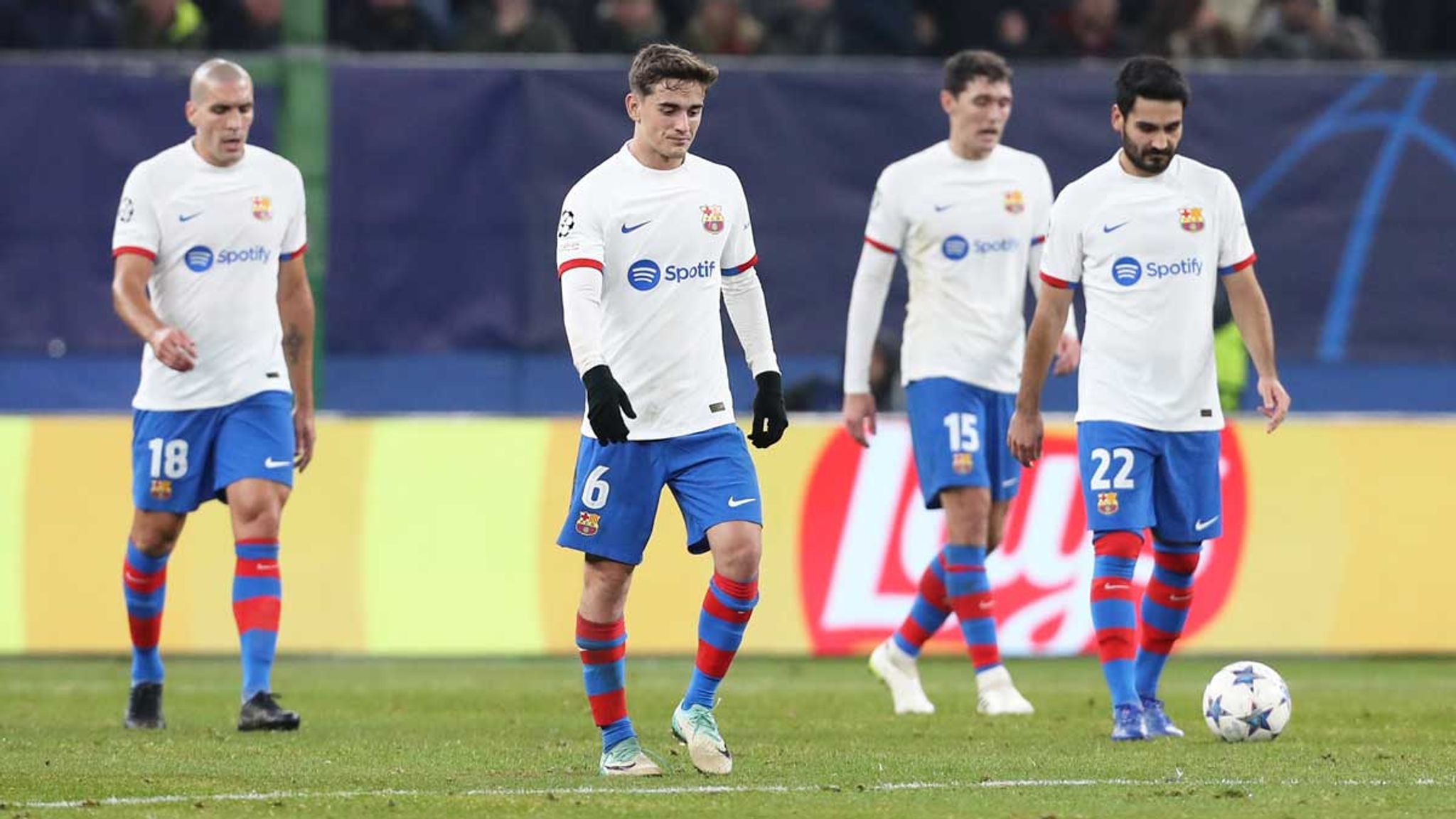
When analyzing Barcelona SC’s results, several statistical trends emerge that highlight their performance characteristics:
- Goals Scored: In the most recent season, Barcelona SC averaged 2.1 goals per match, indicating a potent attacking force.
- Defensive Record: The team conceded an average of 1 goal per match, reflecting a solid defensive setup.
- Possession Stats: Barcelona SC has maintained an average possession rate of 55%, demonstrating a commitment to controlling the game.
Key Matches of the Season

Several matches stand out in the recent season, showcasing the team’s strengths and weaknesses:
- Barcelona SC vs. Emelec (4-1): This match highlighted Barcelona’s attacking prowess, with a standout performance from their forwards.
- Barcelona SC vs. LDU Quito (1-1): A tightly contested match where Barcelona SC struggled to convert possession into goals, revealing a need for improvement in finishing.
- Copa Libertadores Match vs. Palmeiras (0-2): This loss underscored the challenges faced by Ecuadorian teams in international competitions, despite a valiant effort.
Player Contributions and Highlights
The success of any football club hinges significantly on the contributions of its key players. For Barcelona SC, several individuals have made substantial impacts:
- Top Scorer: The club’s leading striker has consistently found the net, finishing the season with 18 goals, proving to be a crucial asset in tight matches.
- Midfield Mastery: The midfield has been pivotal in maintaining possession and creating goal-scoring opportunities, with the playmaker contributing 12 assists.
- Defensive Resilience: The central defenders have played a crucial role in stabilizing the backline, with one defender earning accolades for his aerial ability and tackling.
Coaching Strategies and Tactics

Barcelona SC’s coaching staff has implemented strategies that have led to their recent successes. Some key tactical approaches include:
- High Pressing Game: The team employs a high pressing strategy, aimed at regaining possession quickly and disrupting opponents’ play.
- Fluid Formation: The flexibility of formations allows the team to adapt to different opponents, often shifting between 4-3-3 and 4-2-3-1 depending on the match context.
- Focus on Youth Development: The club has increasingly integrated young talents from its academy into the first team, aiming to cultivate a sustainable squad for the future.
Fan Engagement and Community Connection
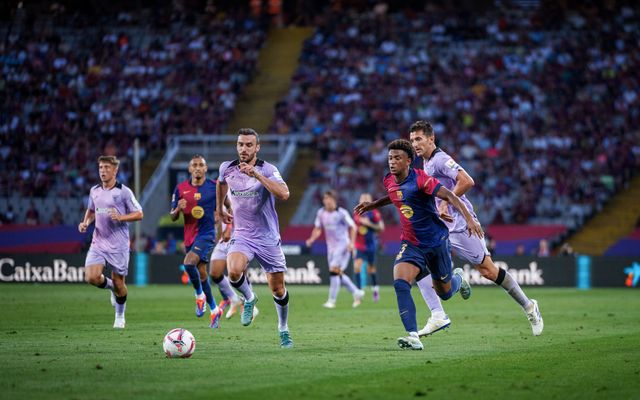
Barcelona SC’s passionate fanbase plays a pivotal role in its identity. The club has actively engaged with its supporters through various initiatives:
- Social Media Interaction: The club has leveraged social media platforms to connect with fans, providing behind-the-scenes content and updates.
- Community Programs: Initiatives aimed at local youth, including football clinics and educational programs, have strengthened the club’s relationship with the community.
- Matchday Experience: Enhancements to the matchday experience, including entertainment and fan zones, have made attending games more appealing.
Challenges Ahead
Despite its successes, Barcelona SC faces several challenges that could impact its trajectory:
- Increased Competition: The rise of other clubs in Ecuador poses a challenge to maintaining their dominance in the Serie A.
- International Performance: The need to improve their performance in the Copa Libertadores remains a significant hurdle.
- Player Retention: The club must focus on retaining its talented players amidst interest from larger international clubs.
Barcelona SC’s recent performance reflects a well-rounded football club that balances domestic success with aspirations for international recognition. Their attacking capabilities, strong home performances, and a commitment to youth development are promising signs for the future. However, challenges such as increased competition and the need for better international results must be addressed to ensure continued success. As they navigate these trends and challenges, the club’s rich history and passionate fanbase will undoubtedly play a crucial role in shaping their future.
In summary, Barcelona SC remains a vital force in Ecuadorian football, with a legacy that promises to grow. The club’s ability to adapt and thrive amid changing circumstances will determine its trajectory in both domestic and international arenas.