In the world of football, few encounters stir the soul quite like a clash between two storied clubs. In 2017, the matchup between Barcelona Sporting Club (Barcelona SC) of Ecuador and Botafogo de Futebol e Regatas (Botafogo) of Brazil was one such event. Both teams, with rich histories and passionate fanbases, faced off in the Copa Libertadores, South America’s premier club competition. This article delves deep into the significance of this match, the teams involved, and the implications of their clash in the 2017 tournament.
The Background: Barcelona SC and Botafogo
Before diving into the match itself, it’s essential to understand the history and stature of both clubs.
Barcelona SC: A Legacy of Success
Founded in 1925, Barcelona SC is one of Ecuador’s most successful football clubs, known for its vibrant yellow and black colors. The club has a storied history in both domestic and international competitions, including:
- 26 Ecuadorian Serie A titles
- Three Copa Ecuador titles
- Two Copa Libertadores runners-up finishes (1960, 1990)
Barcelona SC’s passionate fanbase, known as “los toreros,” creates an electrifying atmosphere during home matches at the Estadio Monumental. The club’s legacy is characterized by its attacking style of play and a commitment to nurturing local talent.
Botafogo: A Brazilian Powerhouse

Founded in 1904, Botafogo is one of Brazil’s most historic clubs, often referred to as “Fogão” (The Big Fire). The club boasts a rich history, including:
- 21 Campeonato Carioca titles
- One Copa do Brasil title
- One Copa Libertadores title (1995)
Botafogo’s iconic black and white striped jersey has graced many legendary players, including Garrincha and Jairzinho. The club’s home ground, Estádio Nilton Santos, is a symbol of Brazilian football heritage.
The 2017 Copa Libertadores: A Crucial Stage
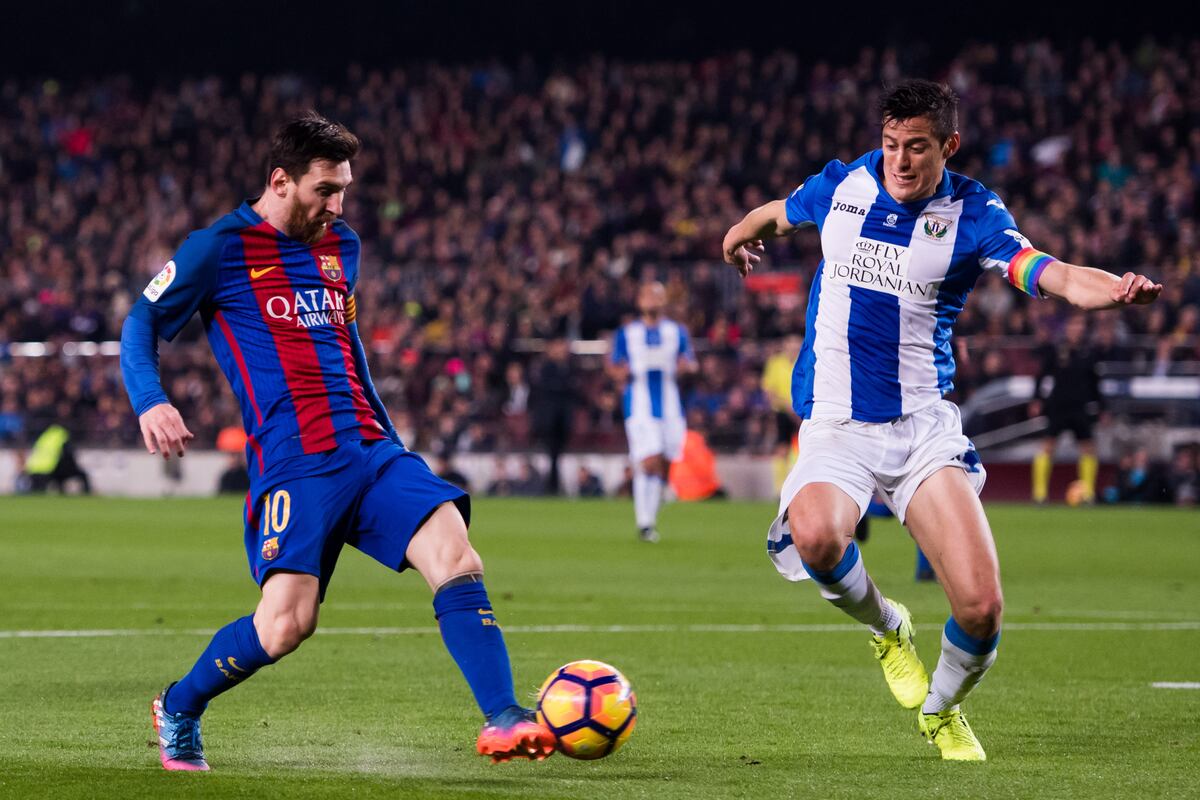
The Copa Libertadores is often compared to the UEFA Champions League due to its high level of competition and the passion it evokes among fans. In 2017, both Barcelona SC and Botafogo made significant strides in the tournament.
Barcelona SC’s Journey
/cdn.vox-cdn.com/uploads/chorus_image/image/57468303/870209002.0.jpg)
Barcelona SC entered the tournament with high expectations, having reached the final in 1990 and 1998. In the 2017 edition, they were placed in Group 1 alongside teams like Atlético Mineiro and Palmeiras. Their performance included:
- Strong group stage showing, finishing second with 10 points.
- A memorable 2-1 victory over Palmeiras at home.
- A solid defense that conceded only five goals in six matches.
Botafogo’s Path to the Knockout Stage
Botafogo, having been drawn in a challenging Group 1, also showcased their resilience. They finished the group stage with:
- 10 points, securing their advancement to the knockout rounds.
- A crucial 1-0 victory over Estudiantes in the final group match.
- A balanced attack led by their star players.
The Clash: Barcelona SC vs. Botafogo
The knockout stage pitted Barcelona SC against Botafogo in a much-anticipated two-legged tie. The first leg took place on May 25, 2017, at the Estadio Monumental in Guayaquil, Ecuador.
First Leg: A Home Advantage for Barcelona SC

The atmosphere in Guayaquil was electric as fans filled the stands to support Barcelona SC. The match concluded with a 1-0 victory for the home team, thanks to a goal from:
- Leonardo Campana, who scored in the 58th minute.
This match was characterized by:
- Barcelona SC’s aggressive play, dominating possession and shots on goal.
- Botafogo’s strong defensive strategy, attempting to counterattack effectively.
- Key saves from Botafogo’s goalkeeper, Jefferson, keeping the scoreline close.
Second Leg: The Tension Mounts
The return leg on June 1, 2017, at the Estádio Nilton Santos in Rio de Janeiro, was filled with tension. Botafogo needed to overcome the deficit to advance to the next round.
The match ended in a 2-0 victory for Botafogo, with goals scored by:
- Rodrigo Pimpão in the 35th minute.
- Gerson in the 75th minute.
This match was notable for several reasons:
- Botafogo displayed a tactical masterclass, utilizing their home ground advantage effectively.
- Barcelona SC struggled to find their rhythm away from home, failing to capitalize on their earlier success.
- Fans witnessed a dramatic turnaround, showcasing the unpredictability of knockout football.
Statistics and Analysis
/cdn.vox-cdn.com/uploads/chorus_image/image/57829097/884394802.jpg.0.jpg)
The two-legged tie provided rich data for analysts to dissect. Key statistics from both matches include:
- Possession: Barcelona SC dominated possession in the first leg (60% vs. 40%) but lost the second leg (48% vs. 52%).
- Shots on Goal: Barcelona SC had 15 shots in the first leg, compared to Botafogo’s 7. In the second leg, Botafogo had 12 shots to Barcelona’s 10.
- Defensive Performance: Both teams had strong defensive stats, but Botafogo’s resilience in the second leg was crucial.
Implications for the Teams
The outcomes of these matches had significant implications for both clubs and their respective leagues.
For Barcelona SC

Barcelona SC’s exit from the tournament was a disappointment, given their ambitions. However, they were able to:
- Focus on domestic competitions, where they continued to perform well.
- Use the experience gained in the Libertadores to develop younger players.
For Botafogo
Botafogo’s victory propelled them into the later stages of the tournament, allowing them to:
- Gain confidence and momentum, which proved beneficial in the Campeonato Brasileiro.
- Reinforce their status as a competitive force in South American football.
A Match for the Ages
The 2017 clash between Barcelona SC and Botafogo was more than just a football match; it was a testament to the unpredictable nature of knockout football. Both teams, with their rich histories and passionate supporters, showcased the spirit of competition that drives the beautiful game.
As we reflect on this encounter, several key takeaways emerge:
- Football is unpredictable; even a strong first leg can lead to unexpected outcomes.
- The importance of home advantage in knockout stages cannot be overstated.
- Both clubs demonstrated resilience, and their legacies continue to inspire future generations.
In the end, both Barcelona SC and Botafogo left their marks on the tournament, contributing to the rich tapestry of Copa Libertadores history and reminding fans of the passion and drama that football brings to our lives.

/cdn.vox-cdn.com/uploads/chorus_asset/file/22739751/1329941933.jpg "Barcelona SC Results Analysis: Trends and Highlights")