Released in 2005, the film “Kicking and Screaming,” directed by Jesse Dylan and starring Will Ferrell, follows the comedic journey of a father who becomes an overly competitive youth soccer coach. While the movie is filled with laughs and memorable moments, the real story often lies behind the scenes. This article explores the cast of “Kicking and Screaming,” their experiences during production, and the film’s impact on audience perceptions of youth sports.
The Cast of “Kicking and Screaming”

The film features a talented ensemble cast that brings its quirky characters to life. Each actor contributes a unique flavor to the story, making it a memorable comedic experience. Here are some key cast members:
- Will Ferrell as Phil Weston: The star of the film, Ferrell plays a father who takes on the role of soccer coach, showcasing his signature comedic style.
- Robert Duvall as Buck Weston: Duvall portrays Phil’s father, a former soccer coach who is both an inspiration and a source of pressure for Phil.
- Mike Ditka as Coach: The legendary NFL coach plays a fictionalized version of himself, adding authenticity to the sports theme.
- Kristen Wiig as Emily Weston: Wiig plays Phil’s supportive wife, whose subtle humor balances the chaos of the story.
- David McCallum as the Referee: A brief but memorable role that adds to the comedic tension in the soccer matches.
- Josh Hutcherson as Sammy Weston: The young actor plays Phil’s son, whose enthusiasm for soccer becomes a central focus of the plot.
Behind the Casting Process

The casting process for “Kicking and Screaming” was crucial in shaping the film’s comedic tone. Will Ferrell was already a household name due to his work on “Saturday Night Live” and films like “Anchorman.” His casting brought an immediate sense of credibility and star power to the project. The filmmakers aimed to create a cast that could deliver both comedy and heart, and they succeeded in choosing actors who complemented Ferrell’s larger-than-life persona.
Director Jesse Dylan collaborated closely with producers and casting agents to identify actors who could bring depth to their characters. The chemistry between cast members was a primary consideration, particularly between Ferrell and Robert Duvall, whose generational clash provided a rich source of comedy. Duvall’s experience and gravitas played off Ferrell’s exuberance, creating a dynamic that resonated with audiences.
Filming Locations and Production Challenges

The film was shot primarily in Los Angeles, California, which provided a vibrant backdrop for the youth soccer storyline. Filming took place over several weeks, and the production team faced various challenges, including:
- Weather Conditions: Outdoor scenes frequently faced unpredictable weather, which could disrupt shooting schedules and impact the actors’ performances.
- Coordinating Young Actors: Working with child actors like Josh Hutcherson required patience and flexibility, as their schedules were often influenced by school commitments.
- Choreographing Soccer Scenes: The film’s soccer sequences required careful planning and coordination to ensure they looked authentic while still being comedic.
Character Development and Improvisation

One of the hallmarks of “Kicking and Screaming” is its blend of scripted dialogue and improvisation. Will Ferrell, known for his improvisational skills, often brought spontaneous humor to his scenes. The filmmakers encouraged a collaborative atmosphere among the cast, allowing actors to explore their characters freely. This approach resulted in several memorable moments that were not part of the original script.
For instance, Robert Duvall’s character, Buck Weston, was initially written as a somewhat stern figure. However, through improvisation and Duvall’s input, the character evolved to include more comedic elements, showcasing a mix of tough love and ridiculousness. This collaborative spirit contributed greatly to the film’s charm.
Audience Reception and Cultural Impact

“Kicking and Screaming” received mixed reviews from critics but found a significant audience among families and fans of Will Ferrell’s comedic style. It resonated particularly with parents who could relate to the pressures of youth sports. The film highlighted the extreme competitiveness that often arises in youth athletics, sparking conversations about the importance of fun, teamwork, and the right mindset in sports.
Some key aspects of the film’s audience reception include:
- Box Office Success: The film grossed over $100 million worldwide, demonstrating its broad appeal despite mixed critical reviews.
- Memorable Quotes: Lines from the film, such as “I’m not a soccer dad; I’m a soccer coach!” became part of pop culture, often quoted in discussions about youth sports.
- Discussion on Youth Sports: The film opened up dialogues about the role of parents in youth sports, emphasizing the balance between competition and enjoyment.
Legacy of “Kicking and Screaming”
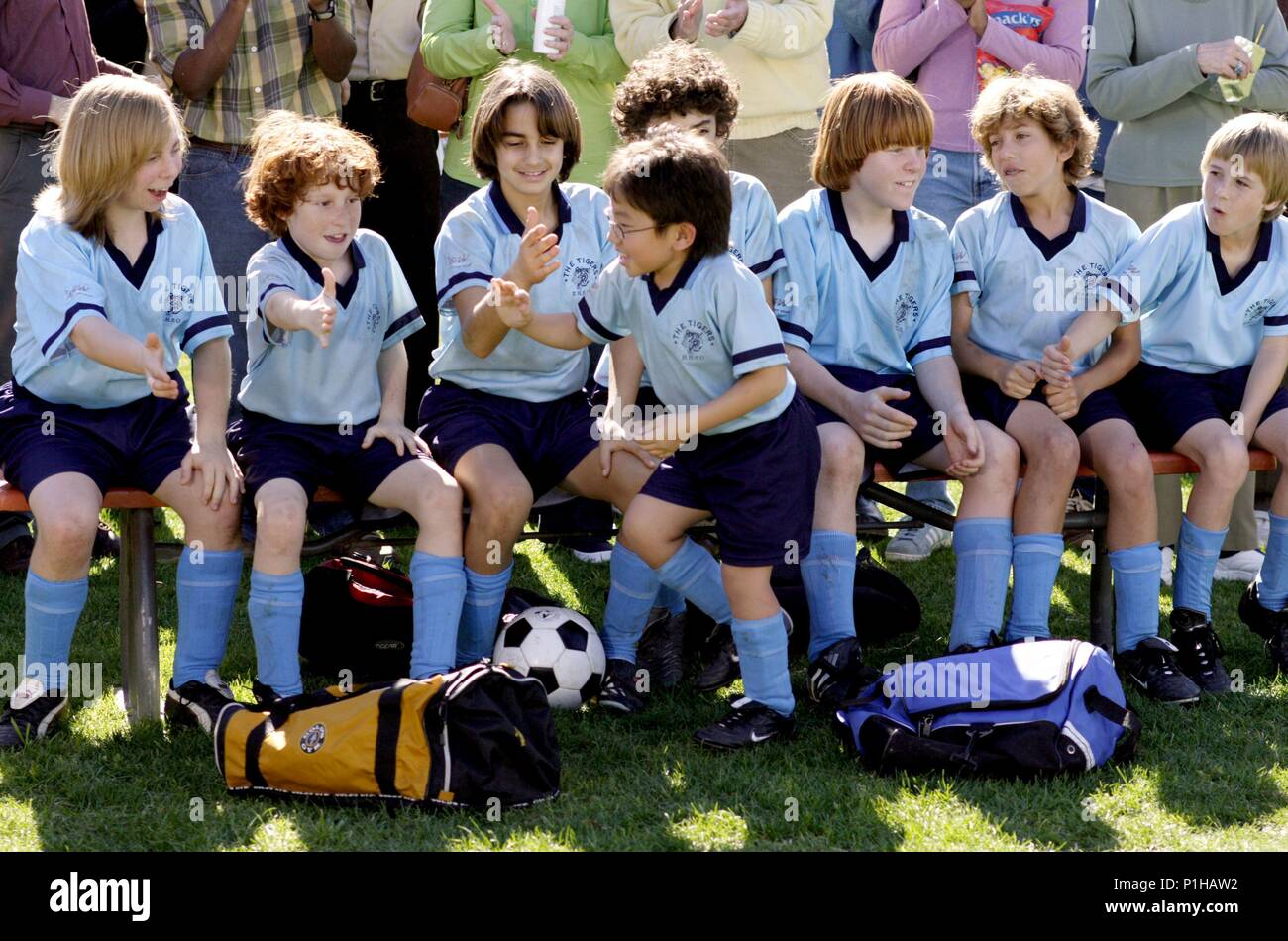
Years after its release, “Kicking and Screaming” remains a relevant commentary on youth sports culture. Its blend of humor and heartfelt moments continues to resonate with audiences. The film not only showcased the comedic talents of its cast but also highlighted the importance of sportsmanship and the joys of childhood.
The legacy of the film is evident in various ways:
- Increased Interest in Youth Soccer: Following the film’s release, youth soccer programs saw an uptick in participation, reflecting the movie’s impact on popularizing the sport.
- Continued Relevance: The themes of competitive parenting and the challenges of coaching remain relevant today, making the film a timeless watch for families.
- Influence on Future Comedies: The film’s blend of slapstick and heartfelt moments has influenced subsequent family comedies, setting a benchmark for balancing humor with emotional depth.
The behind-the-scenes journey of “Kicking and Screaming” is as compelling as the story itself. With a talented cast, a collaborative production process, and themes that resonate across generations, the film has left a lasting mark on the comedy genre and youth sports culture. As audiences continue to discover or revisit this classic, the insights into the making of the film highlight not just the importance of humor in storytelling, but also the valuable lessons about competition, family dynamics, and the spirit of play.