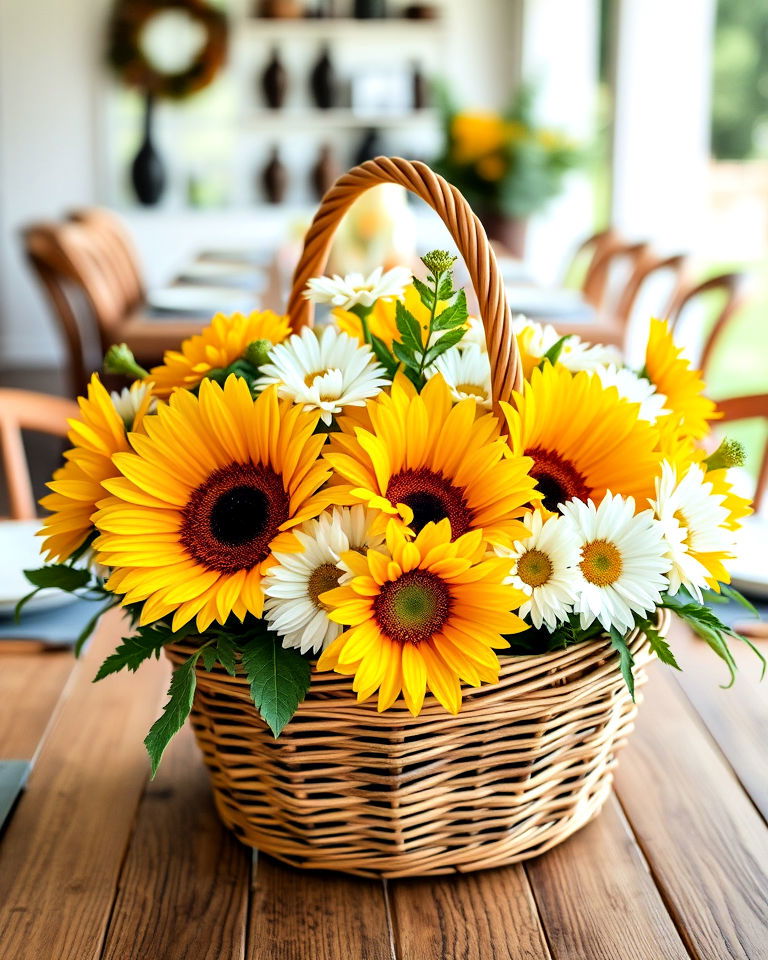
Flowers have an unmatched ability to transform a space, adding color, fragrance, and a touch of nature’s elegance. Whether you’re planning a wedding, hosting a dinner party, or simply brightening up your living room, a well-crafted flower centerpiece can be the focal point of any table. But with so many styles, colors, and arrangements to choose from, finding the perfect centerpiece can feel overwhelming. This guide explores creative flower centerpiece ideas for every occasion, from classic and romantic to modern and minimalist. You’ll discover tips for selecting flowers, arranging them beautifully, and tailoring designs to your event’s theme. Let’s dive into the world of floral artistry and find the centerpiece that speaks to you.
1. Classic Elegance: Timeless Rose Arrangements
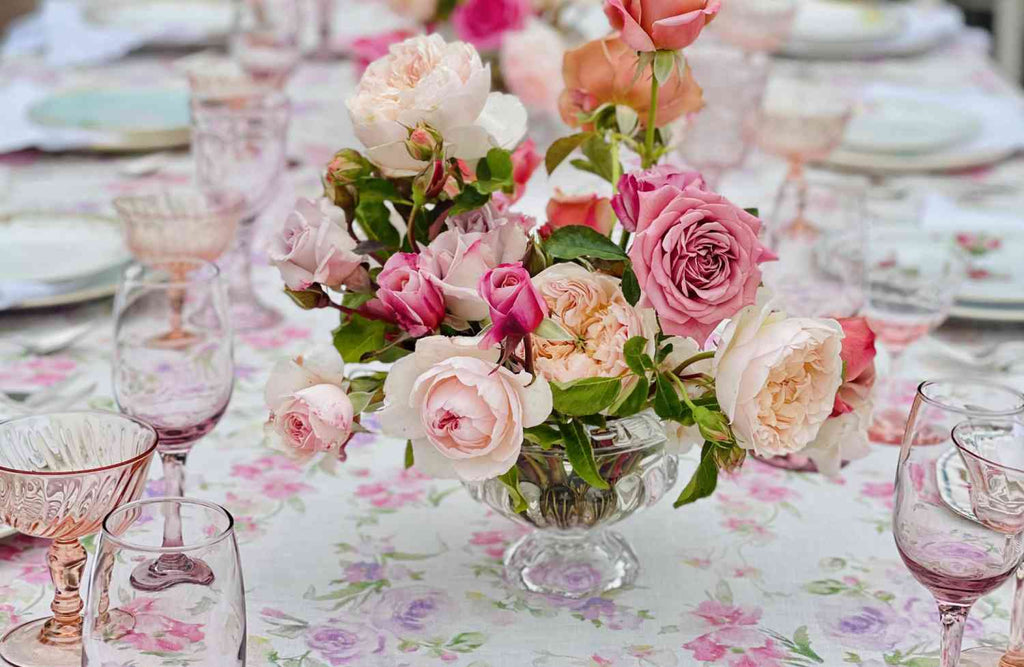
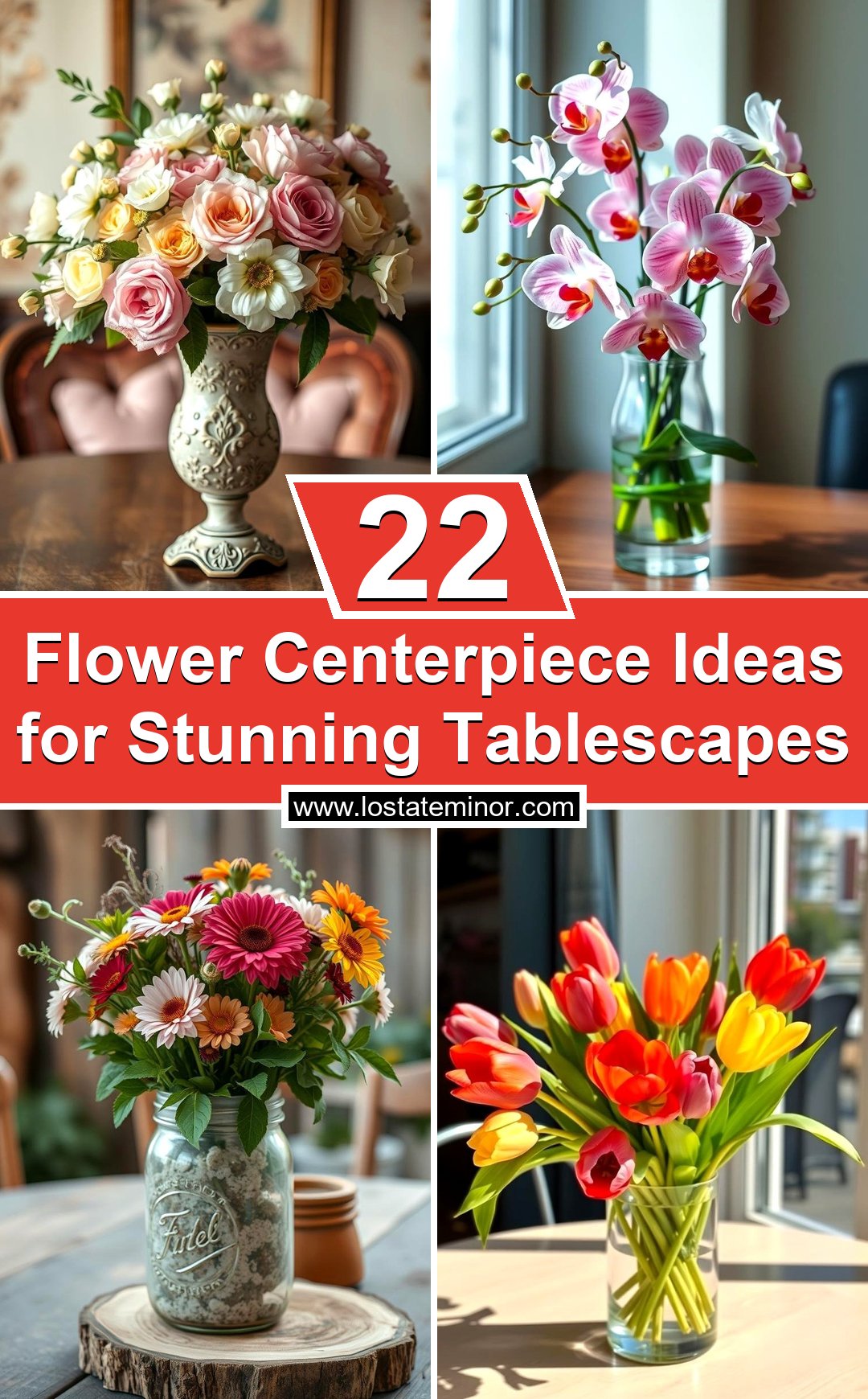
Roses are the quintessential flower for romance and sophistication. For a classic centerpiece, consider a low, clustered arrangement of garden roses in soft hues like blush, ivory, or champagne. Place them in a porcelain vase or a ceramic urn for a vintage feel. To add texture, incorporate greenery such as eucalyptus or ferns. For a taller statement, use a clear glass cylinder vase with long-stemmed roses, tied with a ribbon. This style works beautifully for weddings, anniversaries, or formal dinners. Mixing roses with lisianthus or peonies can elevate the arrangement while maintaining an air of timeless luxury.
2. Rustic Charm: Wildflower and Mason Jar Centerpieces
Rustic centerpieces are perfect for barn weddings, outdoor parties, or country-themed events. Use mason jars or galvanized tin cans as vases, filled with an assortment of wildflowers such as daisies, sunflowers, lavender, and baby’s breath. Add burlap ribbon or twine around the jars for extra charm. For a cohesive look, arrange several jars down the center of a long table, varying heights using wooden slices or books. Dried flowers like pampas grass or bunny tails can add texture and longevity. This style feels effortless and invites a relaxed, pastoral atmosphere.
3. Modern Minimalism: Single-Stem Line Arrangements
For a contemporary space, less is often more. A single stem of a dramatic flower—like a protea, anthurium, or calla lily—in a slender geometric vase makes a striking statement. Group several of these vases together, each with a different flower, to create a minimalist cluster. Alternatively, use a linear arrangement with branches of cherry blossoms or orchids in a tall, sleek vase. The key is negative space and clean lines. This style suits modern homes, corporate events, or art galleries, emphasizing form and simplicity over abundance.
4. Whimsical Garden Style: Mixed Blooms in Abundance
Emulate an English cottage garden with a lush, overflowing centerpiece. Mix a variety of blooms—roses, peonies, delphiniums, snapdragons, and dahlias—in complementary colors. Use a low, wide ceramic bowl or a footed compote to allow the flowers to spill over the edge. Add trailing elements like ivy or jasmine for movement. The secret to this style is density; pack the flowers tightly to create a cloud of color. This type of arrangement works wonders for garden parties, spring brunches, or any event that calls for joy and abundance.
5. Tropical Paradise: Bold and Exotic Arrangements
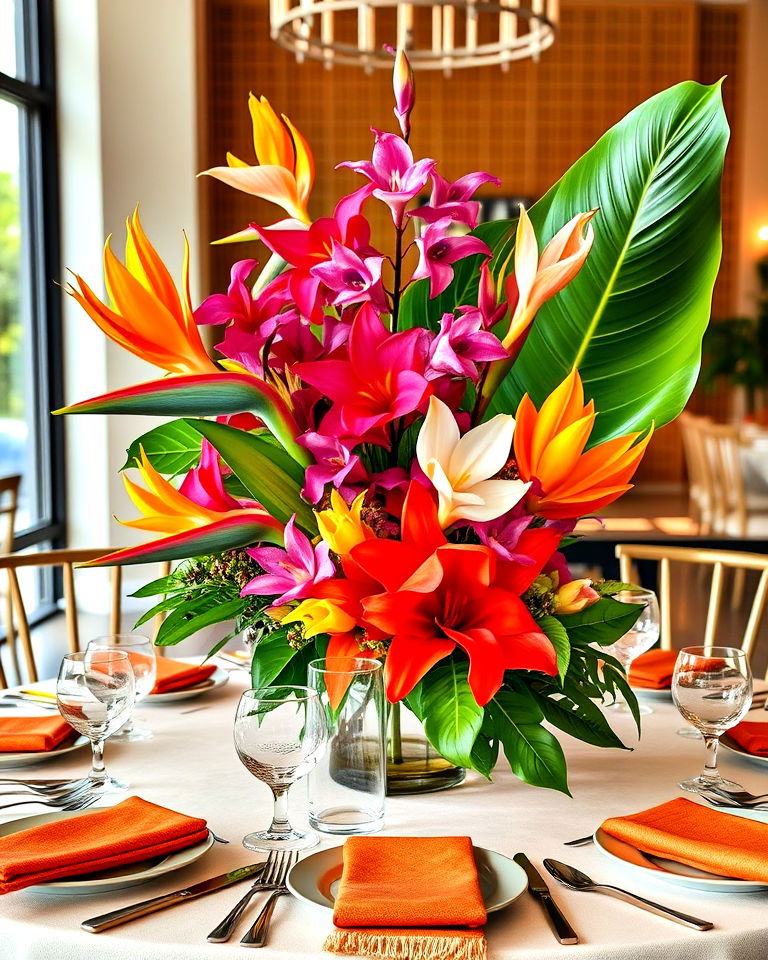
Bring a vacation vibe to your table with tropical flowers. Use birds of paradise, orchids, ginger blooms, and monstera leaves for a vibrant, exotic look. Opt for bright colors like fuchsia, orange, and yellow. A pineapple or coconut shell can serve as a unique vase. Combine with palm fronds and ferns for a lush backdrop. This centerpiece is ideal for summer parties, luaus, or tropical-themed weddings. To keep it from feeling overwhelming, use a monochromatic color scheme like all-white orchids with green accents for a chic twist.
6. Seasonal Sensations: Spring Tulips and Autumn Foliage
Celebrate the seasons with centerpieces that reflect nature’s cycle. In spring, a cluster of tulips in pastel shades—pink, purple, white—arranged in a milk glass vase captures renewal. Add hyacinths for fragrance. For autumn, use a wooden container filled with dried leaves, mini pumpkins, and flowers like marigolds, chrysanthemums, or sunflowers. Incorporate wheat stalks or berries for texture. In winter, evergreens, pine cones, and red amaryllis create a festive holiday centerpiece. Seasonal arrangements connect guests to the time of year and create a memorable ambiance.
7. DIY Budget-Friendly Centerpieces
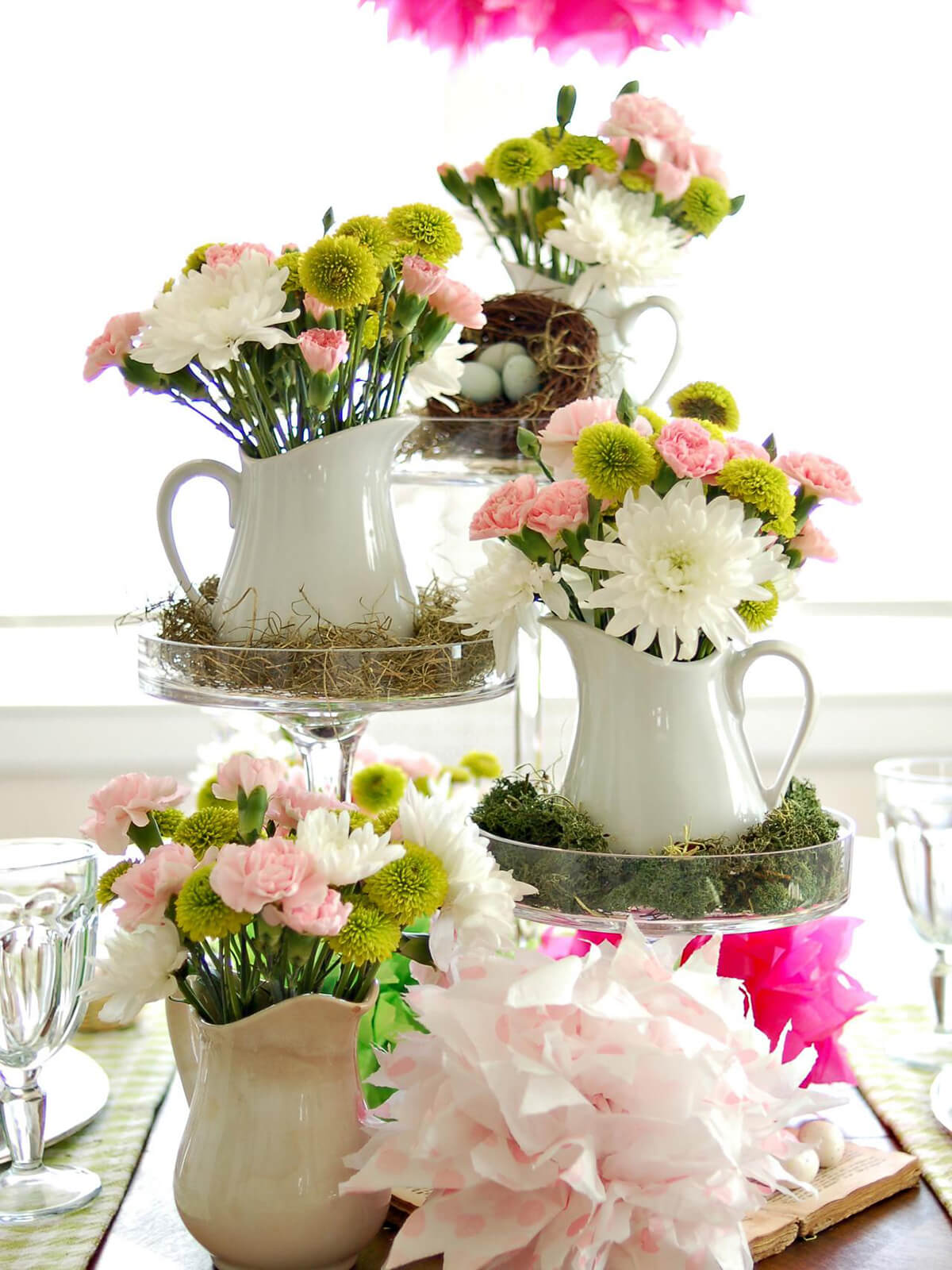
You don’t need to spend a fortune to have a beautiful centerpiece. Visit your local grocery store or farmers market for affordable blooms like carnations, alstroemeria, or chrysanthemums. Use unexpected containers such as tea cups, wine bottles, or tin cans painted in your theme color. For a dramatic effect, float single flower heads in shallow bowls of water with floating candles. Another idea: create a low arrangement using a floral foam block wrapped in leaves, then insert inexpensive flowers densely. Adding branches, berries, or herbs like rosemary can elevate the look cheaply. With a little creativity, you can achieve stunning results on a tight budget.
Frequently Asked Questions
What are the best flowers for a centerpiece?
The best flowers depend on the occasion and season. For longevity, choose hardy blooms like roses, carnations, or chrysanthemums. For a romantic feel, opt for peonies or hydrangeas. For a modern look, consider orchids or succulents. Always consider the event’s color palette and the height of the arrangement—low centerpieces allow for conversation across the table.
How do I keep my flower centerpiece fresh?
Cut stems at a 45-degree angle and remove leaves below the waterline. Use clean water with flower food, and change it every two days. Keep the arrangement away from direct sunlight, heat sources, and fruit bowls (ethylene gas accelerates wilting). Mist petals lightly to maintain moisture.
What size should a centerpiece be?
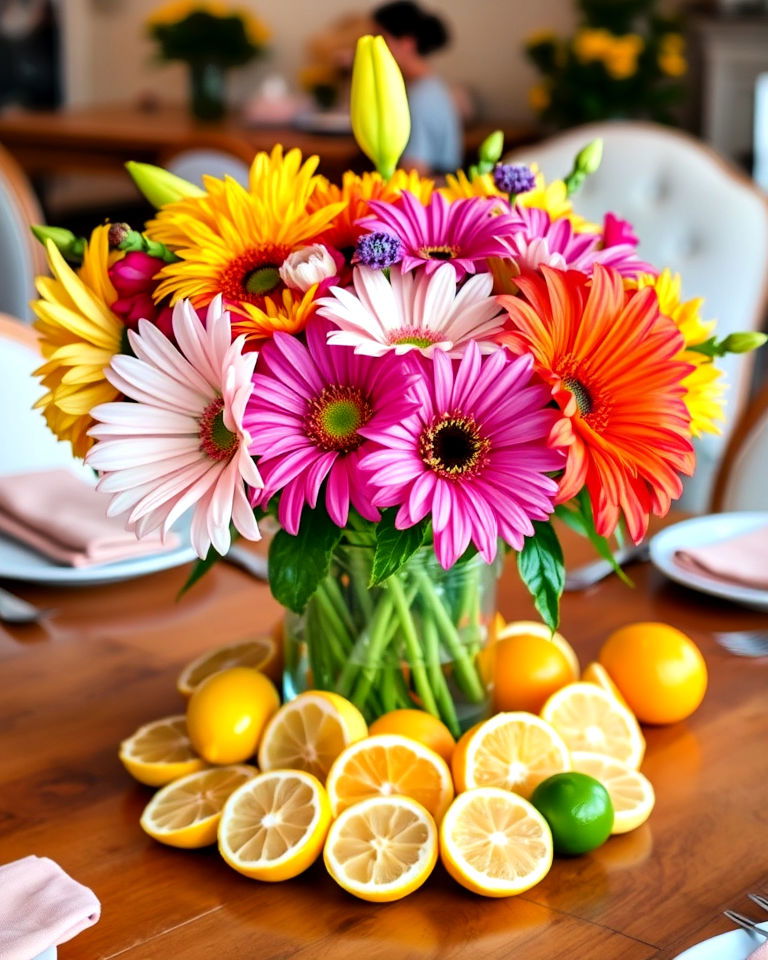
Centerpieces should be proportional to the table. For a 60-inch round table, a low arrangement of 12-18 inches in diameter or a tall arrangement no wider than the table’s center works well. For rectangular tables, use multiple smaller arrangements spaced evenly. Ensure the height does not block guests’ view across the table—typically under 14 inches for low designs or above 24 inches for tall slender ones.
Can I make centerpieces ahead of time?
Yes, but certain flowers last longer. Woodier stems like roses and chrysanthemums can be arranged a day or two in advance if kept hydrated and in a cool place. For events, finalize the arrangement on the morning of the event for peak freshness. Store in a cool, dark room until ready to display.
Flower centerpieces are more than just decorations—they set the mood and tell a story. Whether you lean towards classic roses, rustic wildflowers, or modern minimalism, the key is to choose flowers that resonate with you and your event. Remember to consider the season, your venue, and the comfort of your guests. With these ideas, you can create captivating centerpieces that elevate any occasion. Happy arranging!
