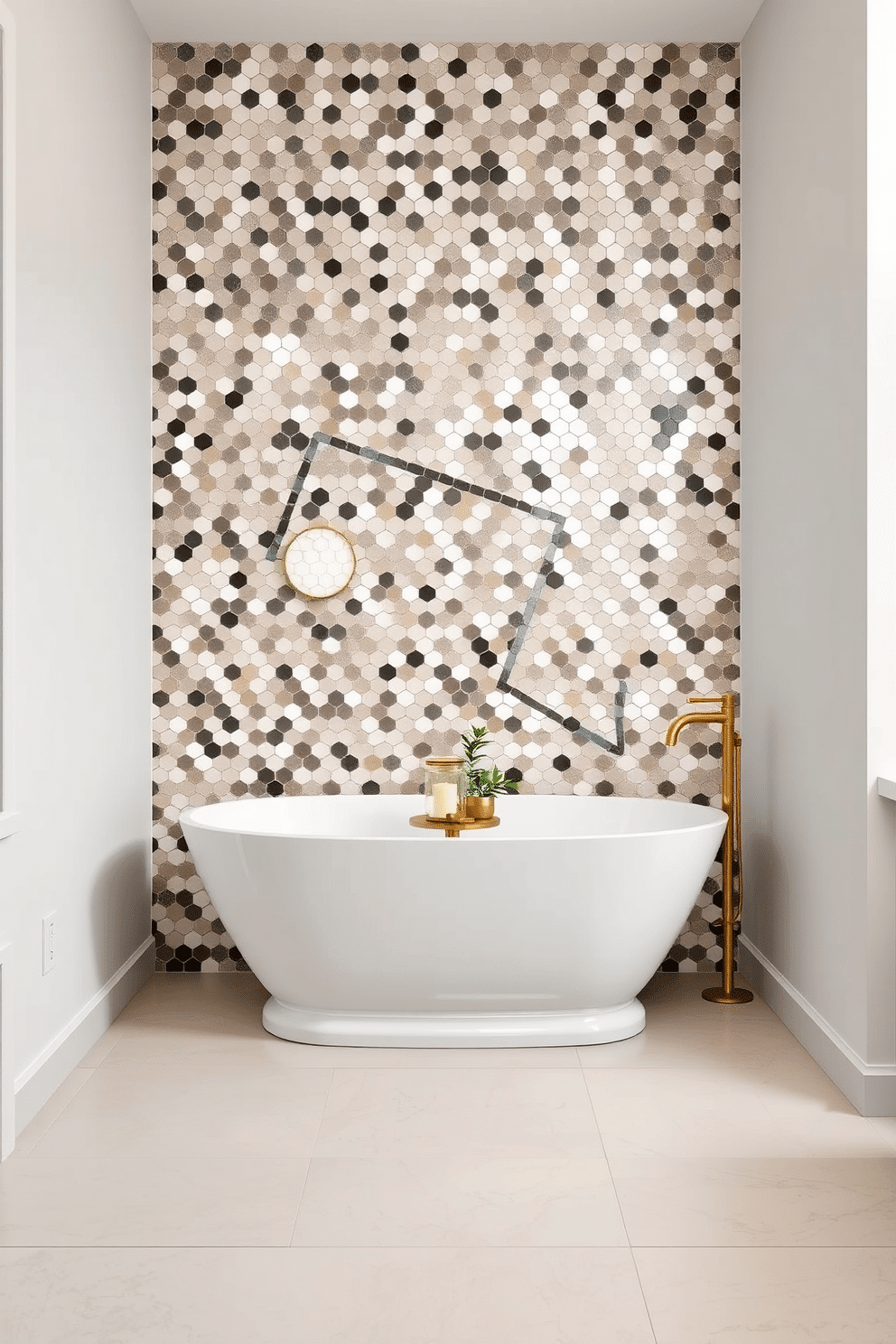
When it comes to bathroom remodeling, the floor often sets the tone for the entire space. Mosaic floor tiles offer a unique blend of artistry and durability, making them a popular choice for homeowners looking to add personality and elegance. Whether you prefer classic designs or modern patterns, mosaic tiles can turn an ordinary bathroom into a luxurious retreat. In this article, we explore a variety of bathroom mosaic floor tile ideas, from material selections to intricate layouts, helping you create a stylish and functional floor that stands the test of time.
Why Choose Mosaic Floor Tiles for Your Bathroom?
Mosaic tiles are small, typically less than two inches square, and are mounted on mesh sheets for easier installation. Their compact size allows for intricate patterns, curves, and custom designs that larger tiles cannot achieve. In a bathroom, where moisture and slip resistance are critical, mosaic tiles offer excellent grip options, especially when made from textured materials like stone or porcelain. Additionally, they are highly durable and easy to clean, making them a practical yet beautiful choice. The wide range of colors, shapes, and materials means you can create a floor that is truly one-of-a-kind.
Popular Materials for Bathroom Mosaic Floor Tiles
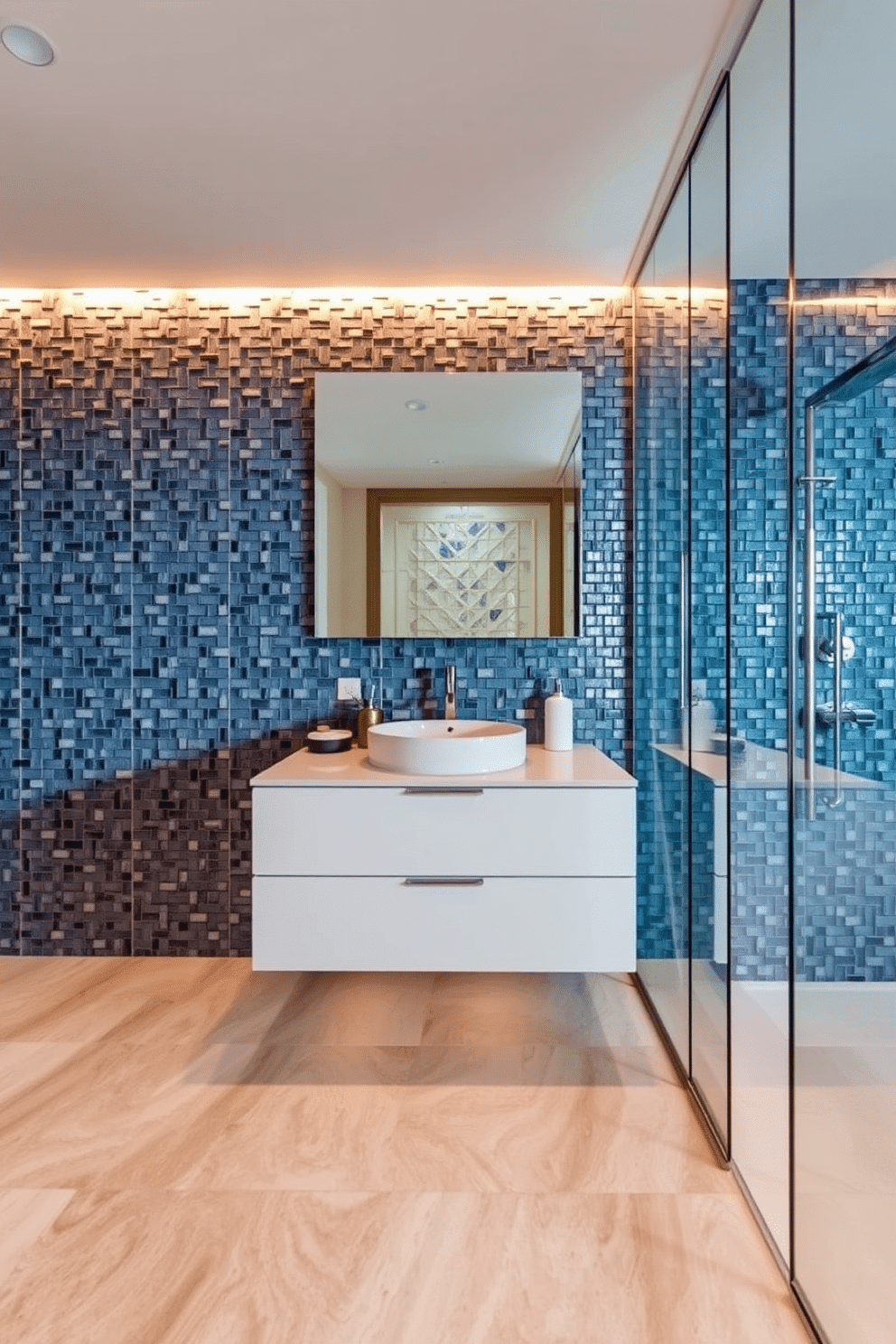
Selecting the right material is crucial for both aesthetics and performance. Here are the most popular options:
- Natural Stone: Marble, travertine, and slate add a timeless, luxurious feel. Stone requires sealing but offers unmatched depth and variation.
- Porcelain and Ceramic: Affordable and water-resistant, these come in countless colors and patterns. Many mimic natural stone or wood.
- Glass: Reflective and non-porous, glass mosaics brighten up small bathrooms. They are stain-resistant but can be slippery if not textured.
- Metal: Stainless steel or copper mosaics create an industrial or contemporary look. They are durable but may show scratches.
- Mixed Materials: Combining stone, glass, and metal in a single mosaic sheet yields a custom, eclectic appearance.
Geometric Patterns for a Modern Look
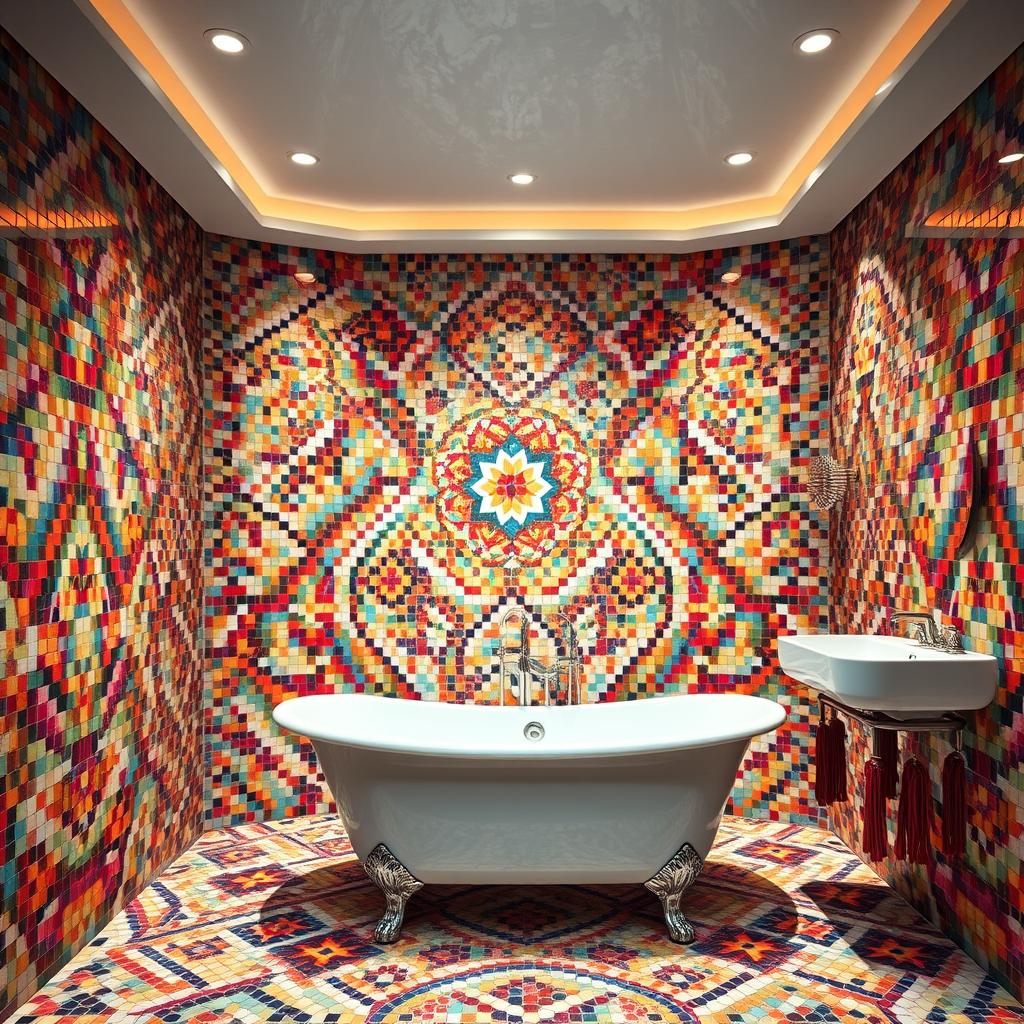
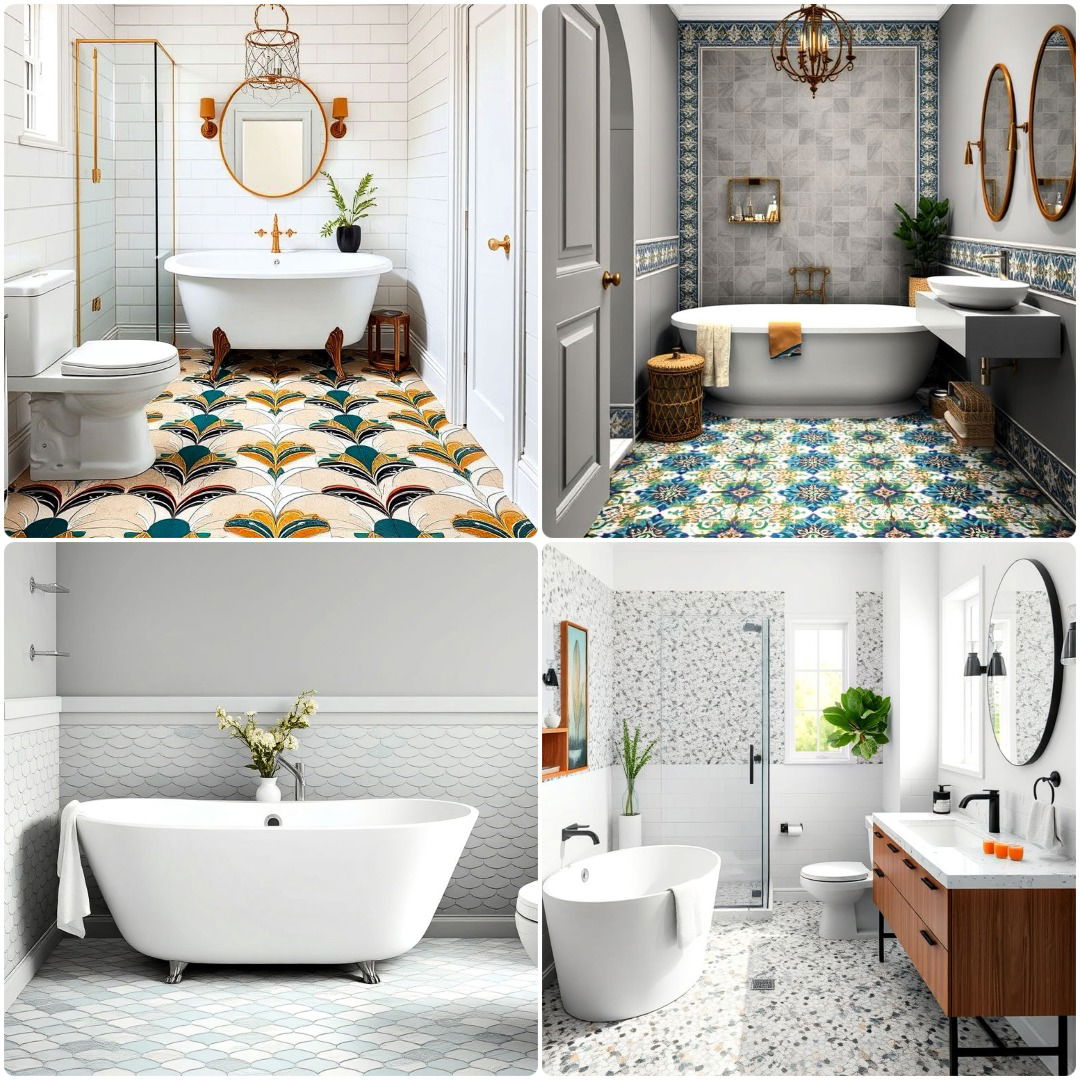
Geometric mosaic patterns are a favorite for contemporary bathrooms. Hexagon tiles (honeycomb), herringbone layouts, or chevron shapes add visual interest without overwhelming the space. For a bold statement, consider a large-scale geometric pattern using contrasting colors—black and white, or navy and gold. Alternatively, subtle monochromatic geometrics in varying shades of gray create a sophisticated, spa-like atmosphere. The key is to keep the grout lines consistent and use a matte finish to reduce glare.
Nature-Inspired Designs: Bringing the Outdoors In
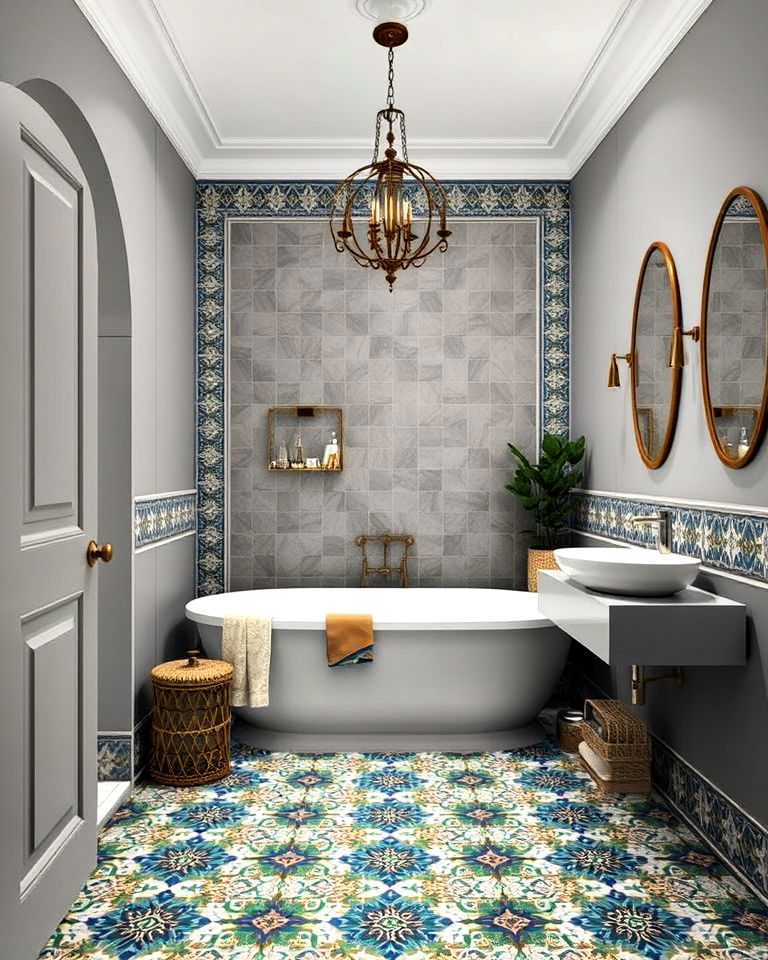
Nature-inspired mosaics incorporate organic shapes and earthy tones. Pebble mosaics, for instance, offer a textured, massaging surface underfoot, ideal for a shower floor. Leaf or floral patterns, whether in green, blue, or neutral tones, evoke a serene garden feel. You can also create a custom “river” design using blue and green glass tiles winding through a field of neutral stone. These designs work well in bathrooms that aim for a relaxing, natural retreat.
Color Schemes and Accents with Mosaic Floors
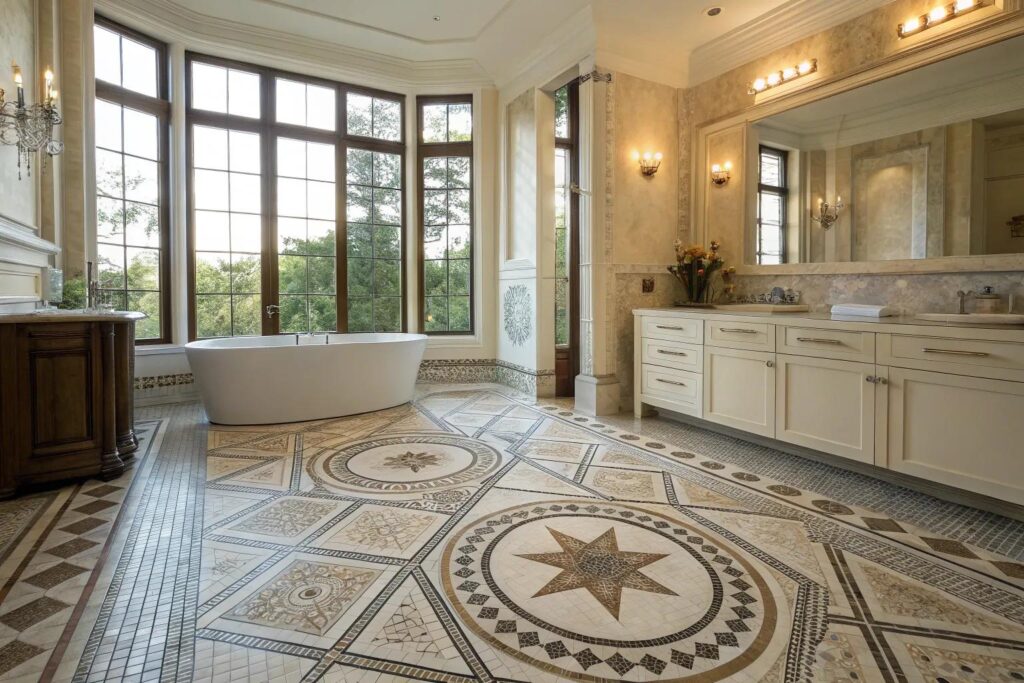
Color plays a pivotal role in mosaic design. Light-colored mosaics (white, beige, light gray) make a small bathroom appear larger and brighter. Dark mosaics (charcoal, navy, black) add drama and hide dirt, but require good lighting. For a pop of color, use a mosaic border or medallion as an accent. Another trend is the transitional color gradient—blending from light to dark across the floor. When mixing colors, stick to a cohesive palette to avoid a chaotic look. Remember, grout color also influences the overall appearance: light grout blends, while dark grout defines the pattern.
Installation Tips and Maintenance
Installing mosaic tile on a bathroom floor requires a flat, clean substrate. Use a waterproof backer board or cement slab. Apply a white or gray thinset mortar (depending on tile color) and press the mesh sheets gently, maintaining even joints. After the thinset cures (24 hours), apply grout—unsanded for narrow joints (under 1/8 inch) and sanded for wider joints. Seal the grout to prevent moisture absorption. For natural stone, apply a penetrating sealer before grouting. Maintenance involves regular sweeping and mopping with a pH-neutral cleaner. Avoid harsh chemicals that can damage grout or stone surfaces.
Frequently Asked Questions
Are mosaic tiles suitable for bathroom floors?
Yes, mosaic tiles are excellent for bathroom floors due to their durability, slip resistance (with textured finishes), and ability to conform to curved or irregular surfaces like shower bases.
How do I clean mosaic floor tiles?
Use a mild, pH-neutral detergent and a soft mop or cloth. Avoid abrasive scrubbers or acidic cleaners that can etch stone or dull glass. Regularly vacuum or sweep to remove grit that can scratch the surface.
What is the best grout for mosaic tile floors?
Epoxy grout is highly recommended for mosaic floors because it is stain-resistant, waterproof, and does not require sealing. For narrow joints, unsanded epoxy grout is ideal.
Can I install mosaic tiles over existing tiles?
It is possible if the existing tiles are well-adhered, clean, and the floor height is acceptable. However, it is often simpler to remove old tiles or use a cement backer board over them to ensure a stable base.
How much does mosaic tile flooring cost?
Costs vary widely: ceramic mosaics start at around $5 per square foot, while natural stone or glass can range from $10 to $30 per square foot. Professional installation adds $10–$20 per square foot.
Transforming your bathroom floor with mosaic tiles opens up a world of design possibilities. From serene natural stones to bold geometric patterns, there is a mosaic style to suit every taste and budget. By carefully selecting materials, colors, and layouts, you can create a floor that is both beautiful and practical. We hope these bathroom mosaic floor tile ideas inspire your next remodel. Remember to consider slip resistance, ease of maintenance, and overall harmony with your bathroom’s theme. Happy tiling!
