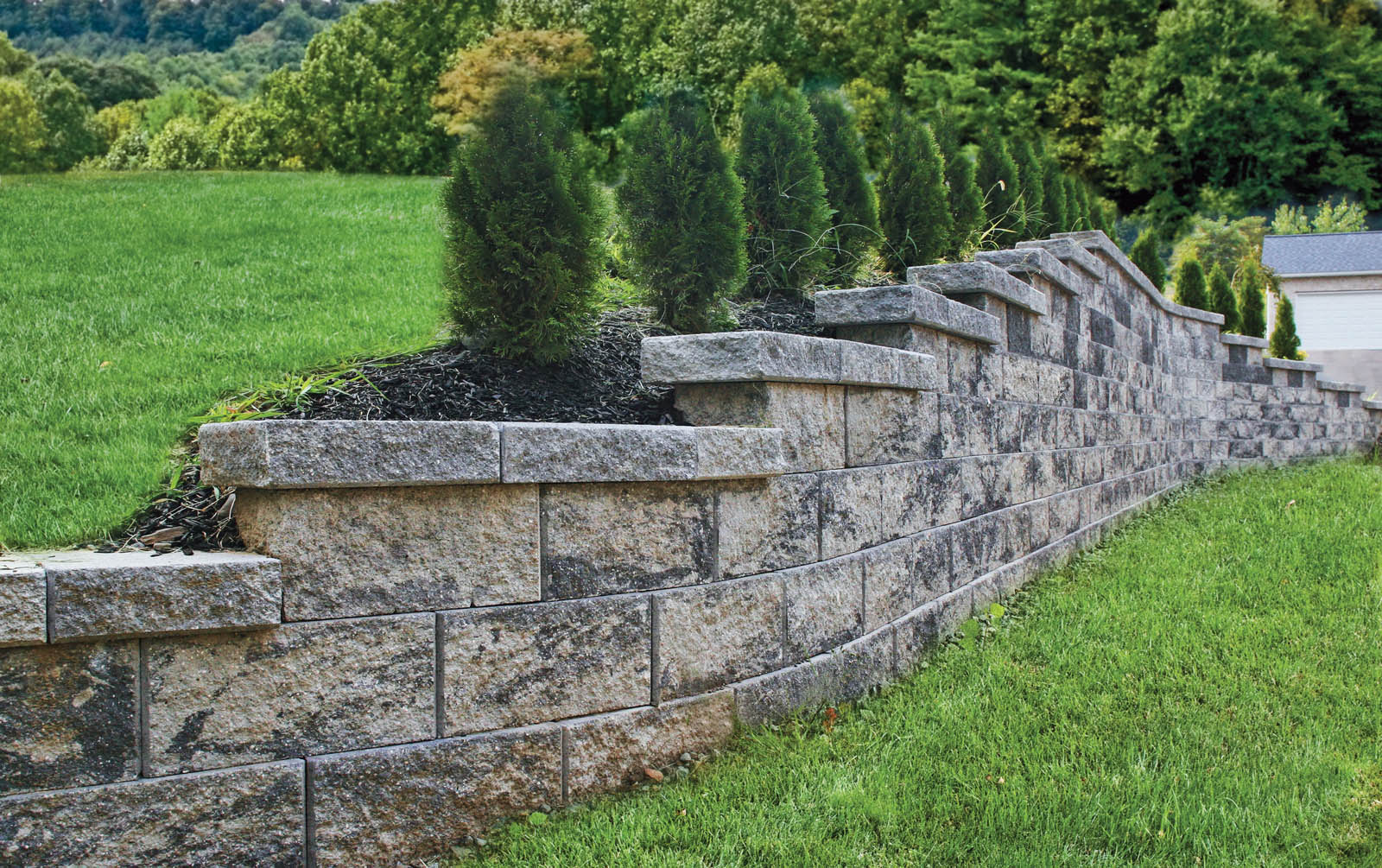
Natural rock retaining walls offer a timeless blend of functionality and aesthetic appeal, transforming sloped yards into usable, beautiful spaces. Unlike concrete or timber, natural stone integrates seamlessly with the environment, providing structural stability while enhancing the landscape’s organic character. Whether you’re looking to prevent soil erosion, create terraced gardens, or define property boundaries, rock retaining walls are a durable and eco-friendly choice. This article explores seven unique natural rock retaining wall ideas, from rustic dry-stacked stone to modern gabion designs, helping you choose the perfect style for your property.
Why Choose Natural Rock for Retaining Walls?
Natural rock is one of the oldest building materials, prized for its strength, longevity, and visual charm. Unlike manufactured retaining wall blocks, natural stone offers unique colors, textures, and shapes that create one-of-a-kind walls. The benefits include:
- Durability: Natural stone withstands weather extremes, frost, and heavy pressure without cracking or rotting.
- Low Maintenance: Once properly installed, rock walls require minimal upkeep—no painting, sealing, or staining.
- Environmental Harmony: Stone blends with native landscapes, supports local ecosystems, and often uses locally sourced materials.
- Increased Property Value: A well-built stone retaining wall adds significant curb appeal and functional value to your property.
However, natural rock walls can be heavier and more labor-intensive to install than alternatives. Professional installation is often recommended for walls taller than 3 feet.
1. Dry-Stacked Stone Walls
Dry-stacked stone walls are built without mortar, relying on the interlocking shape of the stones to hold them in place. This ancient technique creates a natural, rustic look that ages gracefully. The gaps between stones allow water to drain naturally, reducing hydrostatic pressure—a major cause of wall failure. Dry-stacked walls are best suited for low to moderate heights (up to 4 feet) and gentle slopes. They work well in cottage gardens, woodland settings, or as boundary markers. Use flat, irregular stones like fieldstone, limestone, or sandstone. For stability, the base should be wider than the top, and each stone should be carefully placed to tilt slightly inward.
2. Boulder Retaining Walls
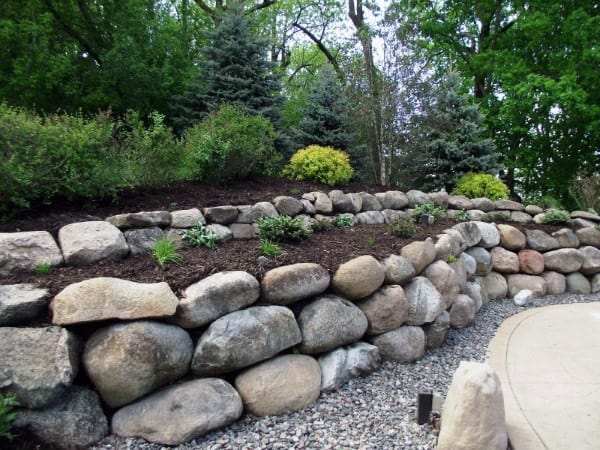
For a bold, dramatic statement, boulder retaining walls use large, rounded stones (often granite or basalt) that are set into the ground. These walls are ideal for steep slopes where massive weight is needed to resist soil pressure. Boulders can be placed singly or in clusters, creating a natural, monolithic look. They require heavy machinery for installation, but the result is a permanent, low-maintenance structure that looks like it has always been there. This style suits modern, rustic, and prairie landscapes. Ensure the boulders are buried at least one-third of their height for stability, and consider adding smaller rocks or plants in the gaps to soften the appearance.
3. Mortared Stone Walls
Mortared stone walls involve setting stones in a cement-based mortar, creating a solid, rigid structure that can withstand significant pressure. This technique allows for taller, more formal walls with a smooth, uniform surface. Mortared walls are ideal for retaining steep banks, shaping raised garden beds, or building decorative seating areas. The mortar can be matched to the stone color or left natural for a more traditional look. While mortared walls are very strong, they require proper drainage—weep holes or gravel backfill—to prevent water buildup behind the wall. This style fits colonial, Mediterranean, and formal garden designs.
4. Terraced Rock Walls
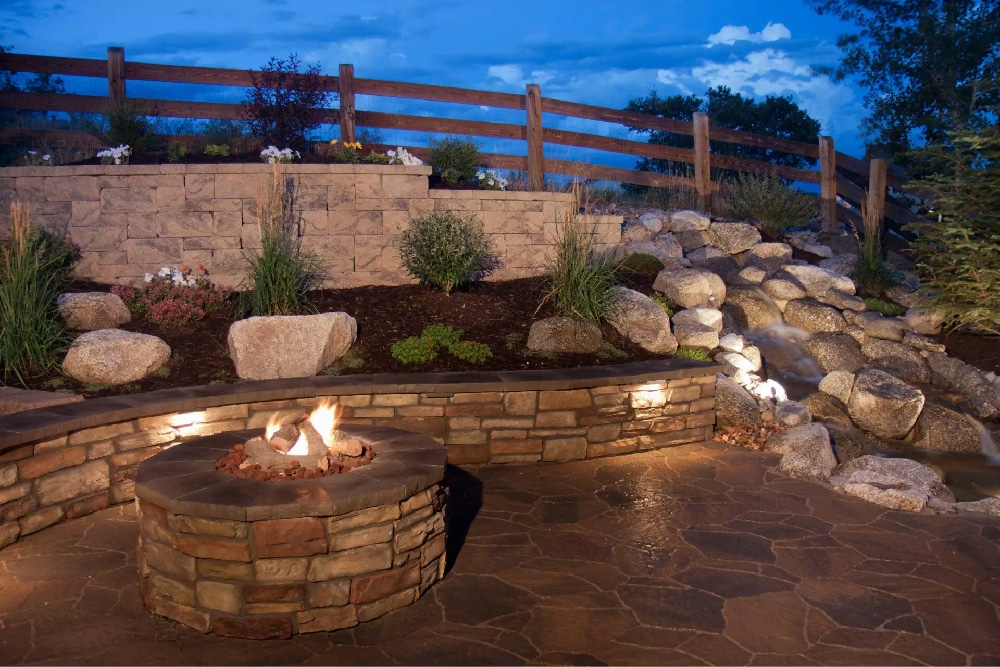
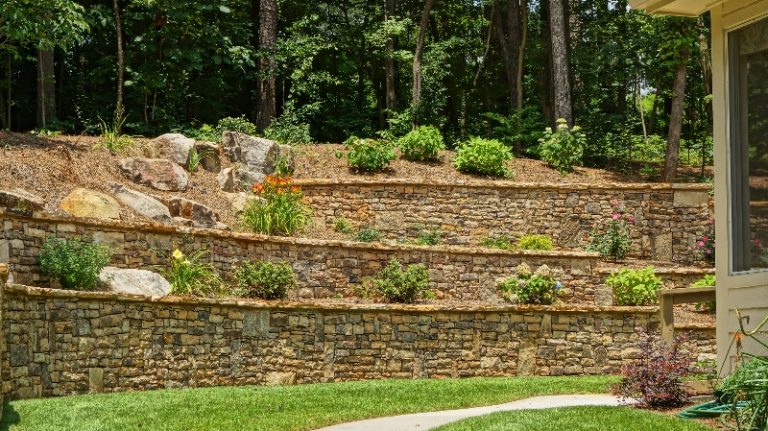
Terraced rock walls break a steep slope into a series of level steps, each retained by a low wall. This technique turns challenging terrain into usable flat spaces for planting, patios, or pathways. Terraced walls can be dry-stacked or mortared, depending on height and design. They are particularly effective in hillside gardens, reducing erosion and creating visual interest. Each terrace should have its own drainage system to manage water flow. Use locally sourced stone to maintain a cohesive look. Terraced walls also allow for diverse planting—from drought-tolerant succulents on the top to moisture-loving ferns in the lower beds.
5. Gabion Rock Walls
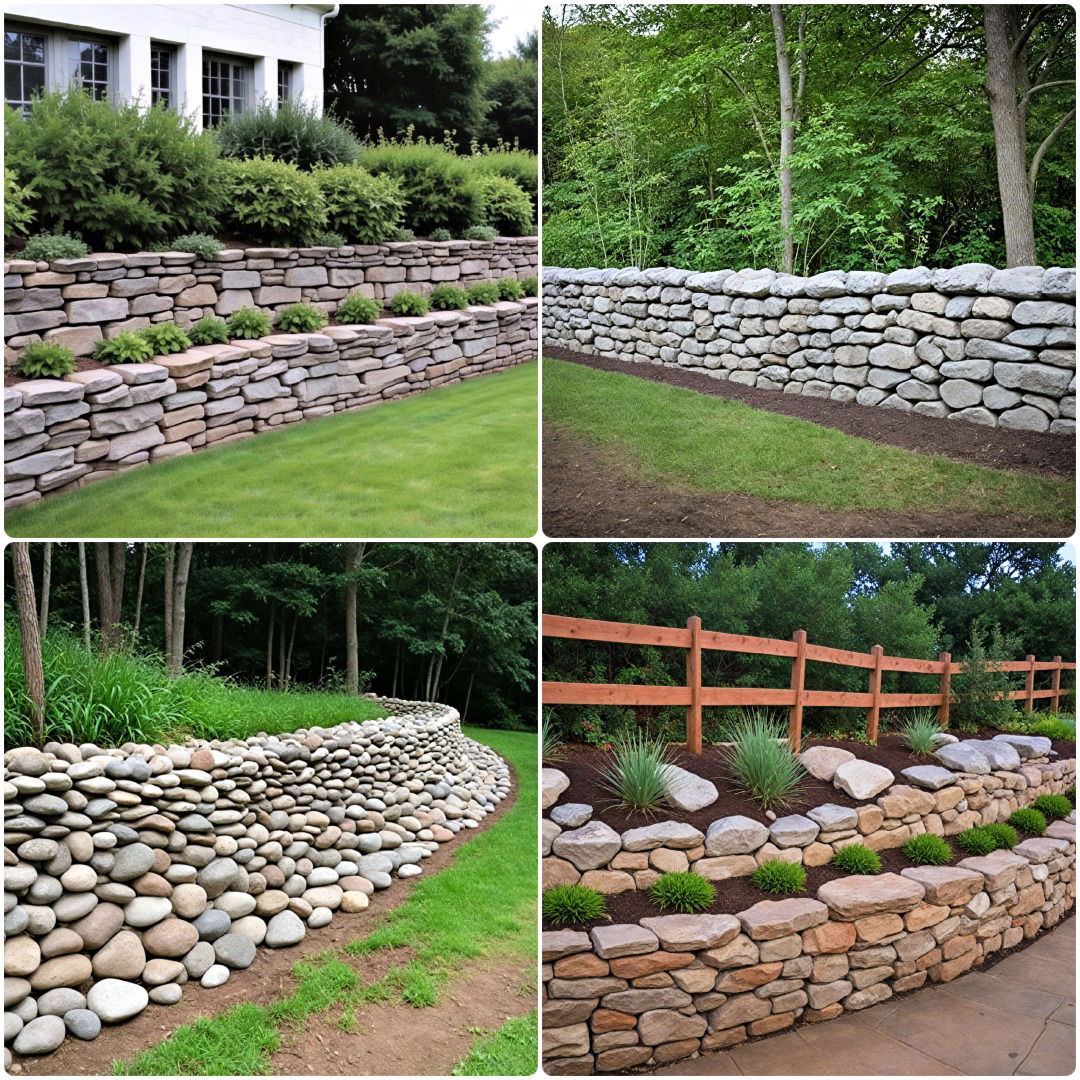
Gabion walls are wire mesh cages filled with rocks, offering a modern, industrial aesthetic. While the cage is manufactured, the fill material is natural stone, making it a hybrid option. Gabions are highly flexible, permeable, and easy to install without special skills. They excel in drainage and can be built to any height. The wire mesh can rust over time for a weathered look or be coated with PVC for longevity. Gabion walls work well in contemporary landscapes, along driveways, or as noise barriers. Choose angular rocks like granite or trap rock to fit snugly inside the cages. This design is cost-effective and environmentally friendly.
6. Flagstone and Bluestone Walls
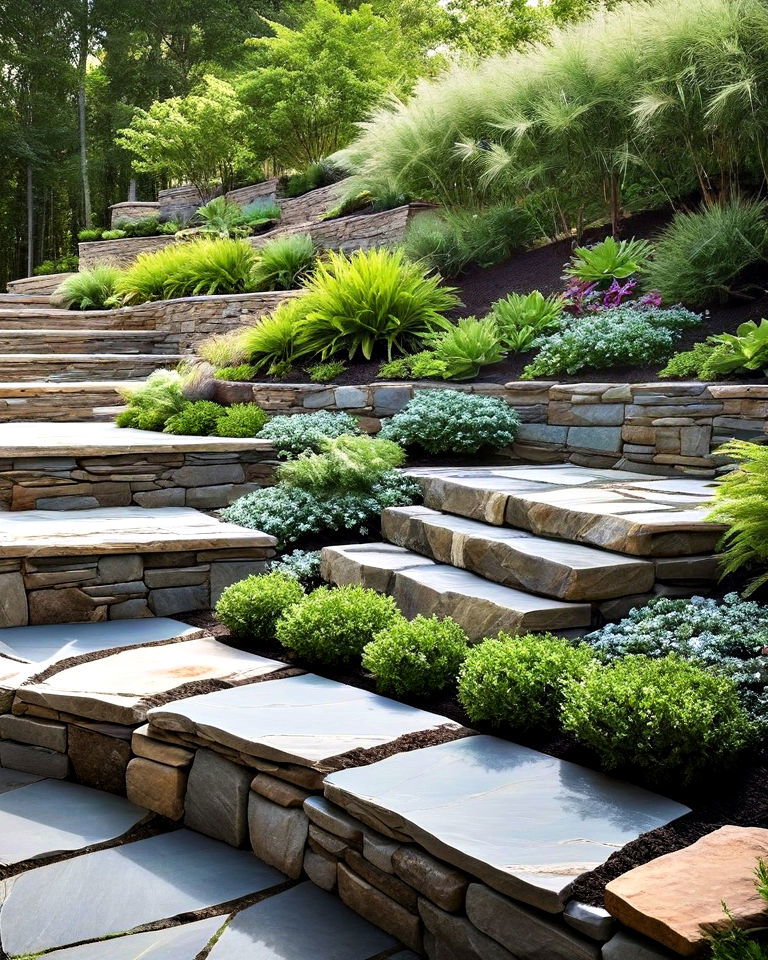
Using flagstone or bluestone creates a sleek, horizontal-layered wall that resembles natural sedimentary rock layers. These stones are typically flat and can be stacked in a uniform or random pattern. The result is a refined, elegant wall that suits modern and rustic designs alike. Flagstone walls can be dry-stacked or mortared; mortaring ensures a clean, linear look. They are often used for low retaining walls, garden borders, or seat walls. Bluestone, with its blue-gray hue, adds a cool, contemporary feel. This option is more expensive due to the cost of the stone, but the visual payoff is substantial.
7. Combination Walls: Rock with Other Materials
Combining natural rock with other materials like timber, concrete, or steel can solve engineering challenges while adding design flair. For example, a concrete foundation topped with natural stone facing provides strength without sacrificing aesthetics. Or, use timber sleepers as a base and cap with flat stones for a farmhouse look. Another popular combination is steel gabion baskets filled with river rock for an industrial-meets-natural vibe. These hybrid walls allow for creativity and can reduce costs while maintaining the beauty of natural stone. Ensure transitions between materials are properly sealed and drained.
Frequently Asked Questions (FAQ)
How much does a natural rock retaining wall cost?
Costs vary widely based on stone type, wall height, and labor. Expect to pay $15–$30 per square foot for dry-stacked or mortared stone. Boulder walls can cost $30–$50 per square foot due to equipment needs. Gabion walls are often cheaper at $10–$20 per square foot.
How high can I build a natural rock retaining wall?
Dry-stacked walls are best for heights under 4 feet. Mortared walls can reach 6–8 feet with proper engineering and drainage. Any wall over 3 feet may require a permit and professional design.
Do I need drainage behind a natural rock wall?
Yes, even dry-stacked walls benefit from gravel backfill to reduce hydrostatic pressure. Mortared walls absolutely require weep holes and drainage gravel to prevent collapse.
Can I install a natural rock retaining wall myself?
Small, low walls (under 3 feet) can be DIY if you have patience and physical strength. Taller walls or those involving mortar/boulders should be installed by experienced professionals.
How long does a natural rock retaining wall last?
Properly built stone walls can last 50–100 years or more with minimal maintenance. Mortared walls may require repointing after 30–50 years.
Natural rock retaining walls are more than functional structures—they are landscape art that blends strength with natural beauty. From the timeless charm of dry-stacked stone to the bold presence of boulders and the modern ingenuity of gabions, there is a style to suit every taste and terrain. Consider your landscape’s needs, local climate, and budget when selecting a design. With proper planning and installation, a natural rock retaining wall will enhance your property’s value and beauty for decades to come.
